What to Bring on a Day Hike: A Practical Checklist
A good day pack isn’t heavy. It’s complete. Start with the essentials, then adjust for the trail and the weather.
The short version
- Build your pack around the Ten Essentials: navigation, light, sun protection, first aid, a knife, fire, shelter, and extra food, water and clothes.
- Carry more water than you think you’ll need on hot or exposed trails.
- Layers handle changing weather better than one heavy jacket.
- On guided hikes, ask what the guide provides and what you need to bring yourself.
Day hikes usually go wrong for small reasons: a missed turn, a change in the weather, a twisted ankle a few miles from the trailhead. The right pack covers those moments without weighing you down.
Start with the Ten Essentials
The Ten Essentials is a safety checklist used by many parks and outdoor organizations. It’s built around systems rather than specific gear, so you can scale each item to the hike.
- Navigation: a map and compass or GPS, plus an offline map on your phone.
- Headlamp: with spare batteries, in case you’re out later than planned.
- Sun protection: sunglasses, sunscreen, a hat and sun-protective clothing.
- First aid: a basic kit, including blister care.
- Knife or repair tool: for small fixes to gear.
- Fire: matches or a lighter, kept dry, for emergencies only and within local fire rules.
- Emergency shelter: a light emergency blanket or bivy.
- Extra food: more than you plan to eat.
- Extra water: plus a way to treat water on longer routes.
- Extra clothes: a warm layer and a rain jacket.
Clothing that works
- A moisture-wicking base layer.
- An insulating layer, such as a fleece or light puffy jacket.
- A waterproof, breathable shell.
- Comfortable socks and broken-in footwear with good grip.
Tour tip
Break in new shoes before your trip. Blisters are one of the most common reasons a good day on the trail turns into a long walk back.
Adjust for the conditions
| Condition | Add or change |
|---|---|
| Hot, sunny day | Extra water, electrolytes, light long sleeves and an early start |
| Cold day | Warm hat, gloves, an extra insulating layer and a warm drink |
| Rain likely | Rain jacket, pack cover and a dry bag for your phone and spare layer |
| Long or remote trail | Water treatment, extra food, a charged phone and a power bank |
How to pack it
- Heavy items close to your back, such as water and food, so the pack sits steady.
- Quick-access items on top or in hip pockets: snacks, sunscreen, the map and your phone.
- Rain jacket near the top, where you can reach it without unpacking.
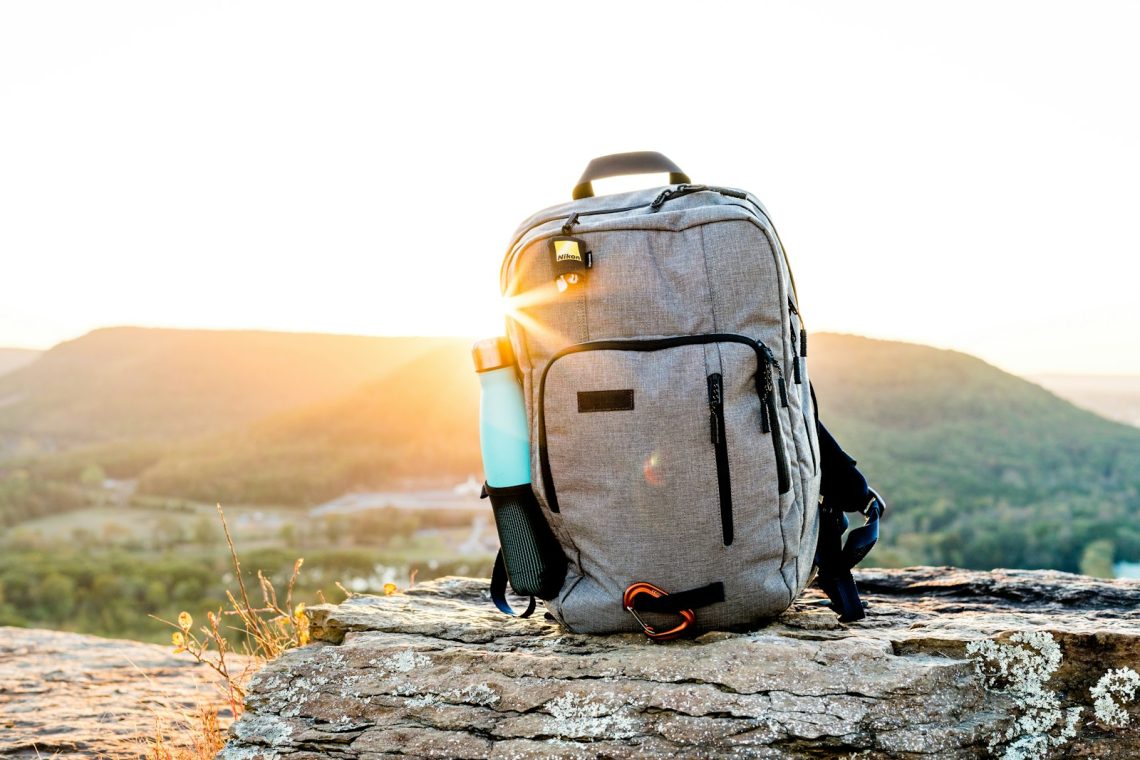
- A daypack of roughly 20 to 30 liters is plenty for most day hikes; go larger in cold weather or if you carry gear for others.
- Adjust the straps before you set off so the hip belt carries most of the weight.
On a guided hike
- Ask what’s provided: water, snacks, poles, first aid or rain gear.
- Tell the guide about medical conditions or allergies before you start.
- Bring your own small pack even if the guide carries group gear. You’ll want your own water, layers and sun protection within reach.
Match the hike to your fitness first; our guide to trail difficulty ratings explains what the labels mean.
Before you leave the trailhead
- Tell someone your route and when you expect to be back.
- Check the weather forecast and current trail conditions.
- Set a turnaround time.
- Make sure your phone is charged and your maps are downloaded.
Be careful
Cell coverage on trails is often patchy or absent. Don’t rely on your phone alone for navigation or for calling for help.
The bottom line
Pack the Ten Essentials, dress in layers and adjust for heat, cold and rain. A complete day pack weighs little and makes the whole hike more relaxing. If the trail passes through animal habitat, our guide to watching wildlife responsibly covers safe distances and etiquette.
Quick answers
What are the Ten Essentials for hiking?
They’re a widely used checklist of safety items: navigation, a headlamp, sun protection, first aid, a knife or repair tool, a way to start a fire, emergency shelter, and extra food, water and clothing.
How much water should I bring on a day hike?
It depends on distance, heat, climbing and your own needs. Bring more than you expect to drink, and know where you can refill or treat water on longer routes.
What should I wear on a day hike?
Moisture-wicking layers, a warm layer, a rain jacket and comfortable, broken-in footwear with good grip. Avoid cotton next to your skin on long or cool hikes.
Do I need hiking boots?
Not always. Many hikers use trail shoes on well-maintained paths. Boots with ankle support can help on rough, rocky terrain or with heavier loads.