Taking a Cooking Class While You Travel: What to Look For
A cooking class can be the meal you remember most from a trip, and the only one you can make again at home.
The short version
- Decide whether you want to cook yourself or watch a demonstration.
- Classes with a market visit add useful context about local ingredients.
- Check the menu, the dietary options and how much of the cooking you’ll actually do.
- Ask whether recipes are provided so you can cook the dishes at home.
Cooking classes turn a cuisine from something you eat into something you understand. They come in very different formats, though, and listings don’t always make it clear which one you’re booking.
Common class formats
| Format | What happens | Good for |
|---|---|---|
| Participatory class | Everyone cooks at their own station or in pairs | Learning real skills |
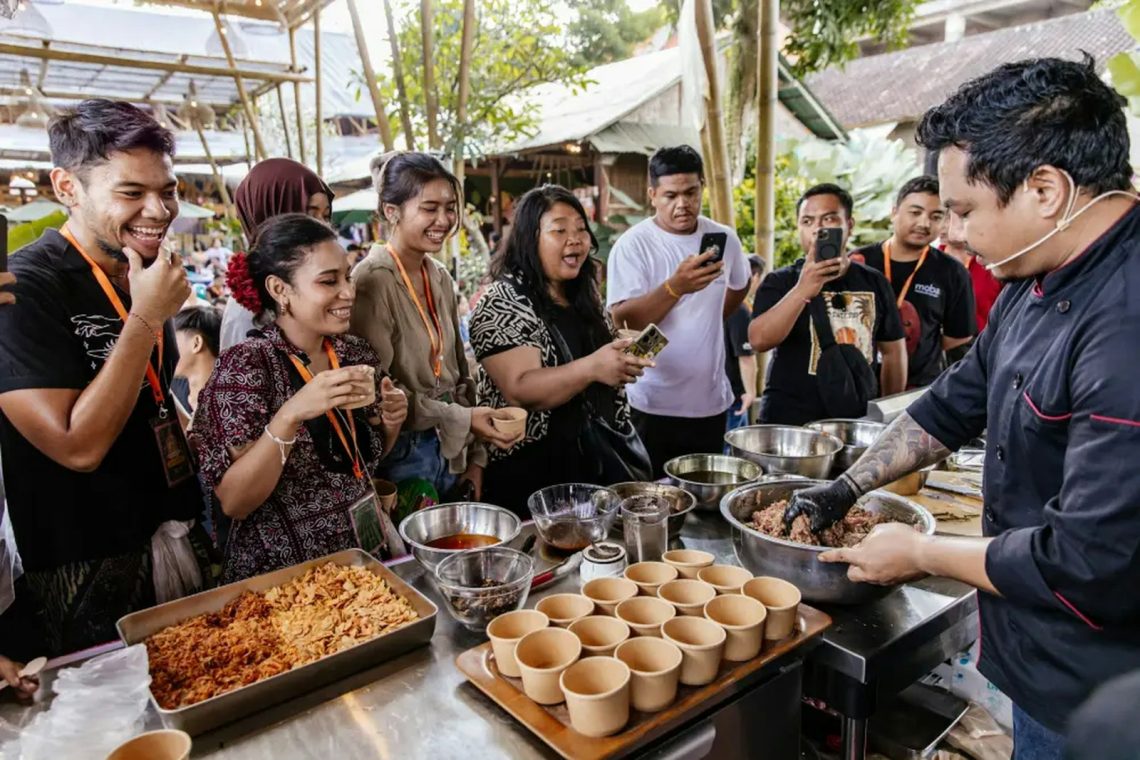
| Demonstration | A cook prepares the dishes while you watch and taste | A relaxed, low-effort session |
| Market visit and class | Shopping for ingredients first, then cooking | Context on local produce |
| Home-based class | Cooking with a local host in their own kitchen | A personal atmosphere |
What to check before booking
- The menu: which dishes you’ll make, and whether they’re the ones you want to learn.
- How much you’ll cook: in some classes everyone makes every dish; in others, tasks are shared around the group.
- Group size: smaller groups get more attention from the instructor.
- Dietary options: vegetarian versions, allergies and other needs.
- Recipes: printed, emailed or not provided at all.
- Location and timing: how to get there, and whether a market visit means an early start.
Tour tip
Choose dishes you can find ingredients for at home. A class that teaches adaptable techniques is often more useful later than one built around ingredients you’ll never see again.
Market visits
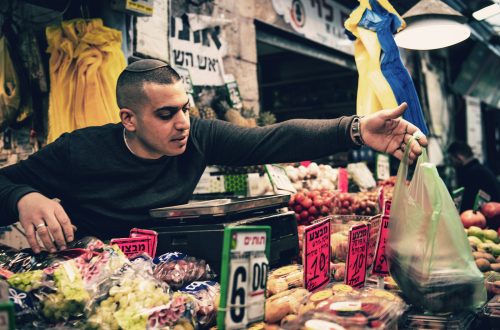
- Markets show what’s in season and how people shop day to day.
- The instructor can explain unfamiliar ingredients and how they’re used.
- Bring a small bag and some cash if you’d like to buy spices or snacks.
Our guide to exploring local food markets covers market etiquette in more detail.
Keep in mind
If you plan to bring spices or other food home, check your home country’s customs rules first. Some items aren’t allowed, and others have to be declared.
Making the most of the class
- Arrive hungry, since you’ll usually eat what you make.
- Ask about techniques and substitutions; the answers are often the most useful part.
- Take photos of key steps, not just the finished plates.
- Write down the local names of ingredients so you can find them in shops later.
Booking and timing
- Book early in the trip. Popular classes in busy cities can fill up, and an early class gives you ideas for what to order for the rest of your stay.
- Mind the start time. Market classes often begin in the morning, while evening classes can end late, so plan your transport back.
- Read the cancellation policy, especially for small classes where one cancellation affects the instructor.
- Leave the rest of the day light. Classes that end with a full meal don’t pair well with a big dinner reservation.
Bringing the class home
- Ask which ingredients have good substitutes in a typical supermarket at home.
- Note the equipment used, and whether an ordinary skillet or saucepan would work instead.
- Cook one of the dishes within a week or two of getting home, while the steps are still fresh.
How to choose
- Want new skills? Book a participatory class.
- Want a relaxed afternoon? A demonstration class is a pleasant option.
- Curious about ingredients? Choose a class that starts at a market.
- Traveling with dietary needs? Confirm the options before you book.
If you’d rather taste a whole neighborhood than cook one meal, a food tour is a good alternative.
Quick answers
Do I need cooking experience?
No. Most travel cooking classes are designed for beginners and explain each step as you go.
How long do cooking classes usually last?
Many run for a few hours, longer if they include a market visit. The listing should give the total time.
Can I bring kids to a cooking class?
Some classes welcome children or run family sessions. Check the age limits, since kitchens involve knives and heat.
Will I eat what I cook?
In most classes, yes. The session usually ends with a shared meal of the dishes you prepared.