How to Explore a Local Food Market Like a Regular
Markets are where a place’s food culture is easiest to see. A few habits help you fit right in.
The short version
- Go early for the best selection and a calmer atmosphere, or at midday for food stalls in full swing.
- Ask before touching produce or taking photos of vendors and their stalls.
- Carry small bills and coins; not every vendor takes cards.
- Buy small amounts so you can taste more, and bring a reusable bag.
A good food market tells you what’s in season, what people cook at home and what they snack on between errands. Visitors are usually welcome, and a few simple habits make a visit more enjoyable for you and for the people working there.
Types of markets you’ll find
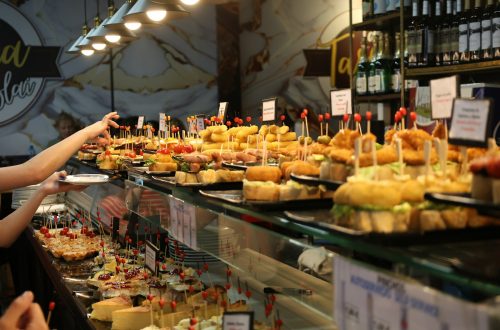
- Covered markets: permanent halls with fixed stalls, often open most days, with produce, meat, fish, cheese and lunch counters under one roof.
- Open-air and farmers markets: set up on certain days in squares or streets, focused on what’s in season locally.
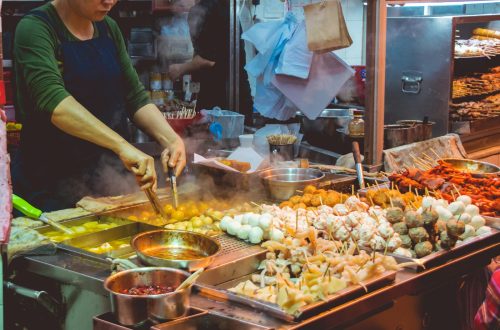
- Night markets: evening gatherings of food stalls, best for snacks and casual dinners.
- Specialist markets: dedicated to fish, spices, flowers or another single trade, often busiest very early.
Knowing which kind you’re visiting helps you plan when to go and how hungry to arrive.
When to go
- Morning: the best selection and the freshest produce, with quieter aisles.
- Midday: food stalls and lunch counters are at their busiest.
- Late in the day: some vendors sell off what’s left, though some markets close early.
- Check the market days. Some markets run only on certain days, and many close one day a week.
Market etiquette
- Ask before touching produce. In many places, the vendor picks for you.
- Ask before photographing people or their stalls.
- Keep moving in narrow aisles, and step aside to look or chat.
- Don’t block a stall while you decide.
- Learn a few words: hello, please, thank you and how much.
Tour tip
Point and ask for a small amount. Vendors are often happy to sell a single piece of fruit or a small portion, which lets you taste far more.
Paying
- Carry small bills and coins; change can be scarce early in the day.
- Some vendors accept cards or mobile payments, but many don’t.
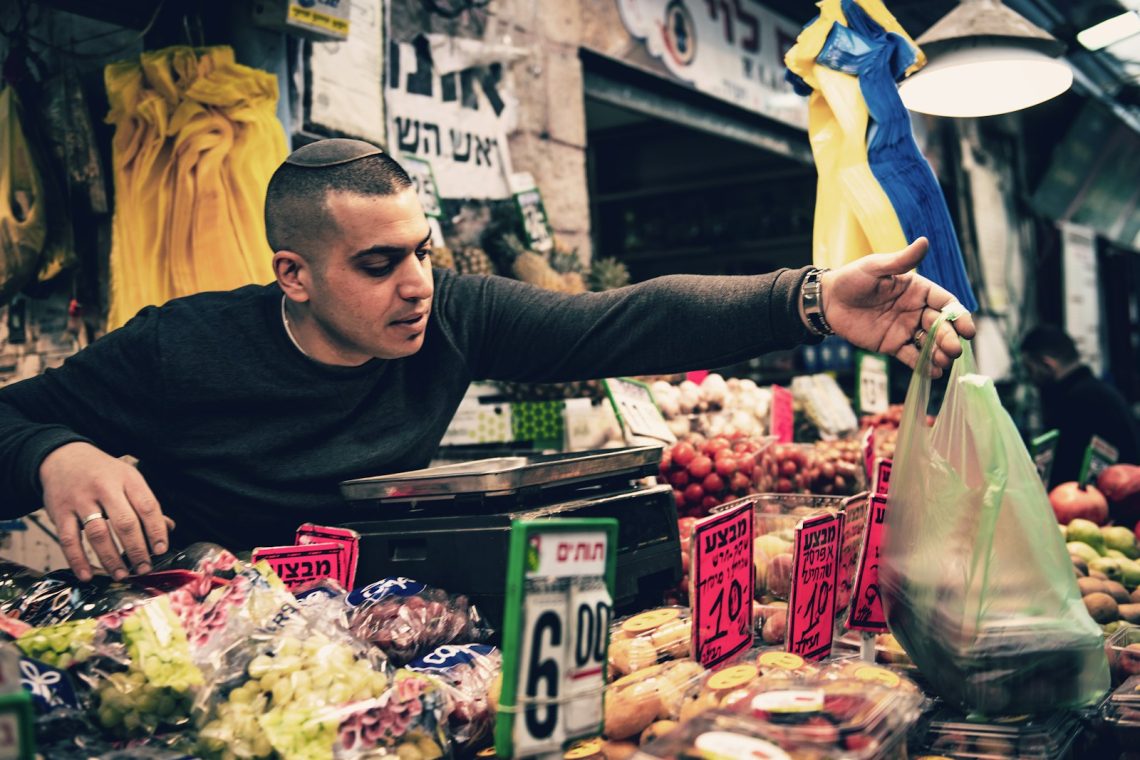
- Prices are usually per piece or by weight. Check the sign or ask.
- Bargaining customs vary widely, so watch how locals buy before you try it.
What to bring
| Item | Why |
|---|---|
| Reusable bag | Many vendors don’t hand out bags |
| Small cash | Easier for small purchases |
| Hand wipes or sanitizer | For tasting on the go |
| Water | Markets can be warm and crowded |
| Small container | For leftovers or delicate items |
Tasting with care
- Choose busy stalls with fast turnover.
- Peel fruit yourself, or wash it with safe water before eating.
- Our street food tips cover how to spot a well-run stall.
Keep in mind
If you plan to take food home, check your home country’s customs rules first. Fresh produce, meat and dairy products are often restricted.
Making the most of your visit
- Walk the whole market once before buying anything.
- Ask vendors what’s in season right now.
- Pair a market visit with a cooking class or a food tour for more context on what you’re seeing.
The bottom line
Go early, bring small cash and a bag, ask before touching or photographing and taste in small amounts. Markets reward curiosity and good manners, and they’re often where a trip’s best snacks are found.
Quick answers
What time is best to visit a food market?
Mornings are often best for selection and quieter aisles. Some markets have evening sections or special market days, so check the schedule.
Is it okay to bargain at food markets?
It depends on the place. Fixed prices are the norm in many markets, while in others polite bargaining is expected for some goods. Watch what locals do.
Can I eat at the market?
Many markets have food stalls, counters or seating areas. They’re a great place to try local dishes.