Trail Difficulty Ratings Explained: How to Pick a Hike You’ll Enjoy
A trail called moderate in one park can feel hard in another. Learn to read the numbers behind the label.
The short version
- Difficulty labels aren’t standardized; check distance, elevation gain and terrain as well.
- Elevation gain usually affects the effort more than distance alone.
- Altitude, heat and the trail surface can make an easy-looking hike much harder.
- Choose a hike you can finish comfortably, with time and energy to spare.
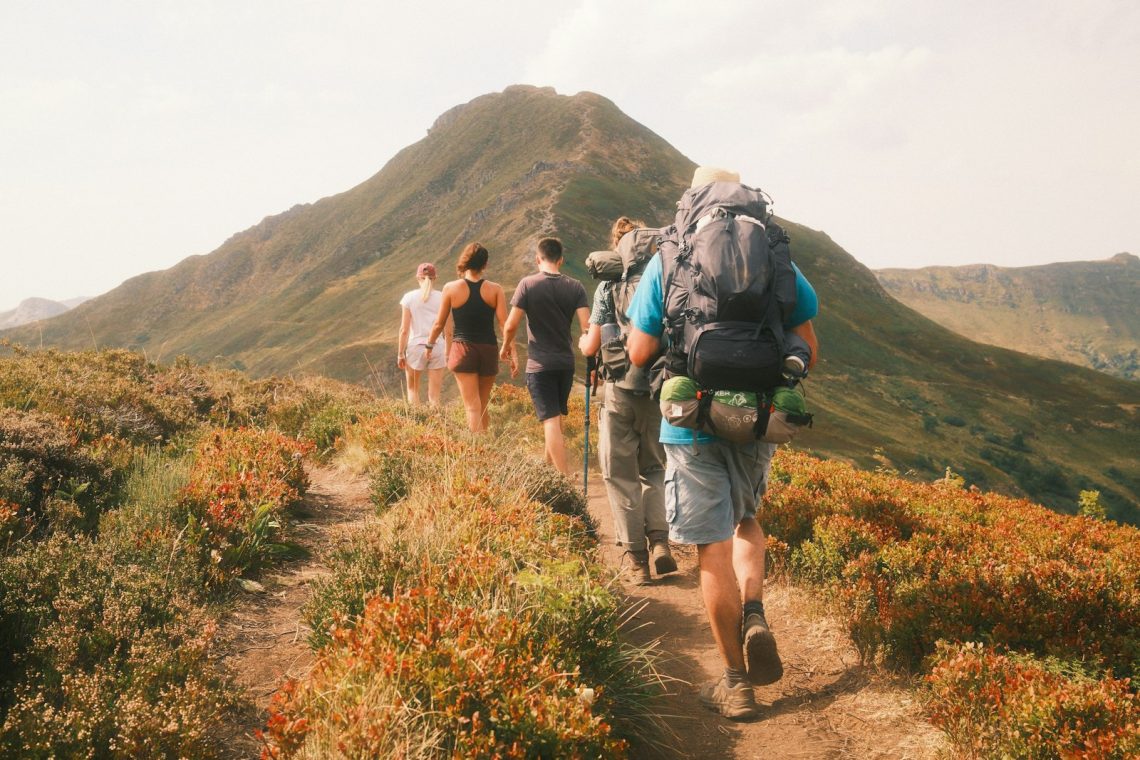
Trail ratings are a helpful starting point, but they’re not a universal scale. Parks, guidebooks, apps and tour operators each use their own systems. To pick a hike you’ll enjoy, look past the label at what the trail actually asks of you.
Why ratings differ
- Each park or agency rates trails against its own terrain. A moderate trail in a mountain park may be tougher than a moderate trail on the coast.
- Apps and websites often rely on user input, which varies with the fitness and experience of whoever submitted it.
- Tour operators use their own activity levels. Read the description of what each level involves, not just the number or the word.
The numbers that matter more
- Distance: check whether it’s round trip or one way. Loops and out-and-back trails are often listed differently.
- Elevation gain: the total climbing. It usually has more effect on effort than distance does.
- Terrain: smooth paths, rocks, roots, loose gravel, stream crossings and steps all change your pace.
- Exposure: steep drop-offs, narrow ledges and long stretches without shade.
- Altitude: thinner air at high elevations makes everything harder, especially in the first days of a trip.
| Label | Common characteristics |
|---|---|
| Easy | Short, mostly flat, well-maintained surface |
| Moderate | Longer, some steady climbs, uneven ground |
| Strenuous | Long or steep, significant elevation gain, rough terrain |
| Technical | May involve scrambling, special skills or equipment |
These are typical patterns, not standards. Always read the trail’s own details.
Estimating your time
- Start from your usual pace on similar ground, then add time for the climbing. A traditional rule of thumb, Naismith’s rule, allows about an hour for every 3 miles (5 km) plus an extra hour for every 2,000 feet (600 m) of ascent.
- Add breaks for photos, snacks and rest. They add up on a long day.
- Plan to finish well before dark, with time to spare for a slower descent.
Tour tip
Set a turnaround time before you start. If you haven’t reached your goal by then, head back. It’s the simplest way to avoid finishing in the dark.
Conditions that change the difficulty
- Heat and sun make exposed trails much tougher, so start early on hot days.
- Rain, snow and mud turn easy surfaces slick and slow.
- Season matters in the mountains, where snow can linger on high trails long after it has melted in town.
- Your own week matters too. A long travel day isn’t the best warm-up for a big climb.
Be careful
Check current trail conditions and closures with the park or land manager before you go. Mountain weather can change quickly, and conditions on the day matter more than any rating.
Matching a hike to your group
- Plan around the least experienced person in the group.
- With children, choose shorter trails with something to look forward to, such as a stream, a viewpoint or a picnic spot.
- On a guided hike, ask about the pace, the number of breaks and what happens if someone wants to turn back.
How to choose
- New to hiking or to the area: start with an easy trail or a short moderate one.
- Comfortable on trails at home: compare the elevation gain with hikes you already know.
- Unsure: pick the shorter option. You can always add a second walk later.
Whatever you choose, pack the basics in our day hike checklist, and if you’re joining an organized trip, our guide to reading a day tour listing shows where operators describe activity levels.
Quick answers
What does a moderate hike mean?
It usually means some elevation gain and uneven ground over a moderate distance, but there’s no universal standard. Check the trail’s distance, elevation gain and description.
How long will a hike take me?
Estimate from distance, add time for climbing, then add breaks. Your pace on a familiar trail at home is the most useful reference.
Is a guided hike easier than hiking on my own?
A guide sets the pace, handles navigation and knows the trail, which can make a hike feel easier. The physical effort is the same, so match the hike to your fitness.
Should I avoid hiking at high altitude?
Not necessarily, but altitude can make any hike harder. Give yourself time to adjust, start with shorter walks and follow official health guidance if you have concerns.