Your First Kayak Tour: What to Expect and How to Prepare
You don’t need any experience to enjoy a guided kayak tour. A little preparation makes the first strokes feel easy.
The short version
- Beginner tours usually stay on calm, sheltered water and start with a safety briefing.
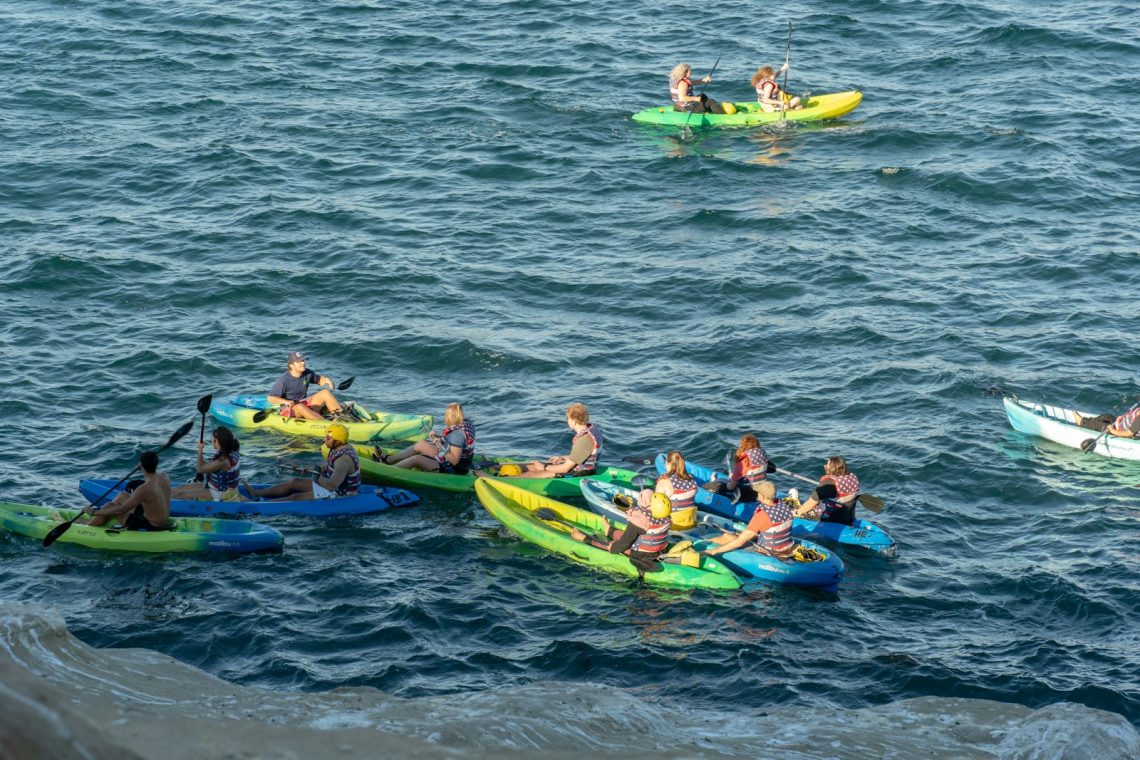
- Sit-on-top kayaks are stable and easy to climb back onto; tandems suit couples and families.
- Wear quick-drying clothes and secure footwear, and protect yourself from the sun.
- Always wear the life jacket provided, and follow the guide’s instructions.
Kayak tours are one of the easiest ways to see a coastline, lake or river from the water. Beginner trips are designed for people who have never paddled before. Knowing what happens on the day, and what to bring, takes most of the nerves out of it.
What a typical tour looks like
- Check-in and fitting: you’re matched with a kayak, a paddle and a life jacket.
- Safety briefing: how to hold the paddle, basic strokes, hand signals and what to do if you capsize.
- A short practice in calm water near the launch.
- The paddle itself, often with stops at beaches, viewpoints or wildlife spots.
- Return and rinse off.
Types of kayaks
| Type | What it’s like | Good for |
|---|---|---|
| Sit-on-top | Very stable, easy to climb back onto, you may get wet | Warm water and beginners |
| Sit-inside | Drier and warmer, more technique needed to re-enter | Cooler water and longer trips |
| Tandem | Two paddlers in one boat | Couples and parents with kids |
| Single | One paddler, full control | Confident beginners |
Choosing a beginner-friendly tour
- Look for sheltered water such as bays, lakes and slow rivers.
- Check the time on the water. Shorter tours are easier for a first outing.
- Ask about the guide-to-guest ratio and minimum ages for children.
- Read the weather policy. On the water, wind matters more than rain.
Tour tip
Book a morning departure if you can. In many coastal areas, the wind tends to pick up as the day warms, and calmer water makes a first paddle much easier.
What to wear and bring
- Quick-drying clothes, or a swimsuit with a layer on top.
- Water shoes or sandals with a back strap; flip-flops come off easily.
- Sunscreen, a hat and sunglasses with a strap.
- Water and a snack.
- A dry bag for your phone and keys, if the operator doesn’t supply one.
Paddling tips for beginners
- Use your torso, not just your arms. Rotating your upper body makes each stroke easier.
- Keep a relaxed grip on the paddle to avoid tired forearms.
- Stay with the group and keep some space between boats.
- Speak up early if you’re tired, cold or uncomfortable.
Be careful
Always wear the life jacket provided, even on calm water and even if you’re a strong swimmer. Conditions on the water can change quickly.
Taking photos on the water
- Keep your phone in a waterproof case or a dry bag clipped to the boat.
- Use a lanyard or floating strap; dropped phones rarely come back.
- Take photos when you’ve stopped paddling, not while you’re steering through a narrow stretch.
- Ask whether the guide takes group photos. Many do, which saves you the worry.
How to choose your first tour
- Pick a short, calm-water tour with good reviews from beginners.
- Choose a tandem if you’re paddling with a less confident partner or a child.
- Check the operator’s swimming and age requirements before you book.
- If you enjoy it, try a longer route or a new setting next time.
Many coastal tours combine paddling with time in the water; our guide to snorkeling tours for first-timers covers that side. If your route passes seabirds or seals, our guide to watching wildlife responsibly explains how close is too close.
Quick answers
Do I need to know how to swim to go kayaking?
Many tours ask guests to be comfortable in water, and some require basic swimming ability. Life jackets are standard. Check the operator’s requirements, and tell the guide if you’re a nervous swimmer.
What should I wear on a kayak tour?
Quick-drying layers, a hat, sunglasses with a strap and footwear that can get wet and stays on your feet. Avoid cotton if the water or the weather is cool.
Is a tandem kayak easier?
Tandems are stable and let a stronger paddler support a less experienced one. They take a little coordination, so agree on who steers; that’s usually the person in the back.
What if I tip over?
On calm-water tours, capsizes are uncommon, and the guide covers what to do in the briefing. Your life jacket keeps you afloat, and the guide will help you back in.